Customer story · 3 min read

Terberg DTS: using everyday work to shape future processes
Receiving a service request, scheduling a technician and making sure the right parts are available. These steps need to work together. Alongside employees at Terberg DTS in the United Kingdom, Nohou is helping to shape these future processes as part of a broader programme within the Terberg Group.
Understanding how the work flows
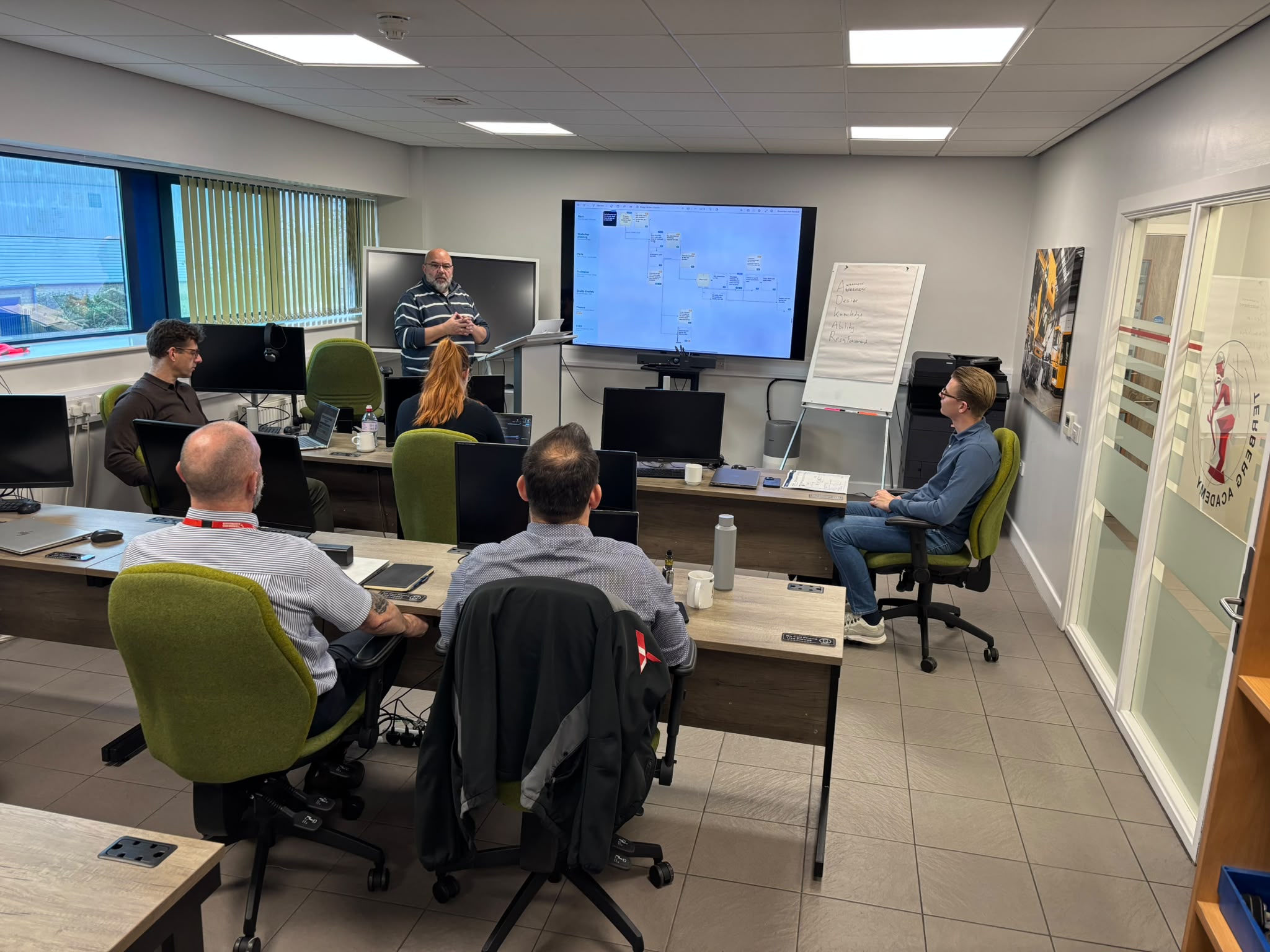
Nohou is facilitating a series of process workshops at Terberg DTS. Employees, process owners and specialists bring their knowledge together, covering sales, parts supply, rental and service.
We start with everyday work. What works well? Where does the work get stuck? And which steps could be simpler or connect more effectively? Discussing these questions together creates a practical understanding of the desired future way of working.
Three days focused on Service
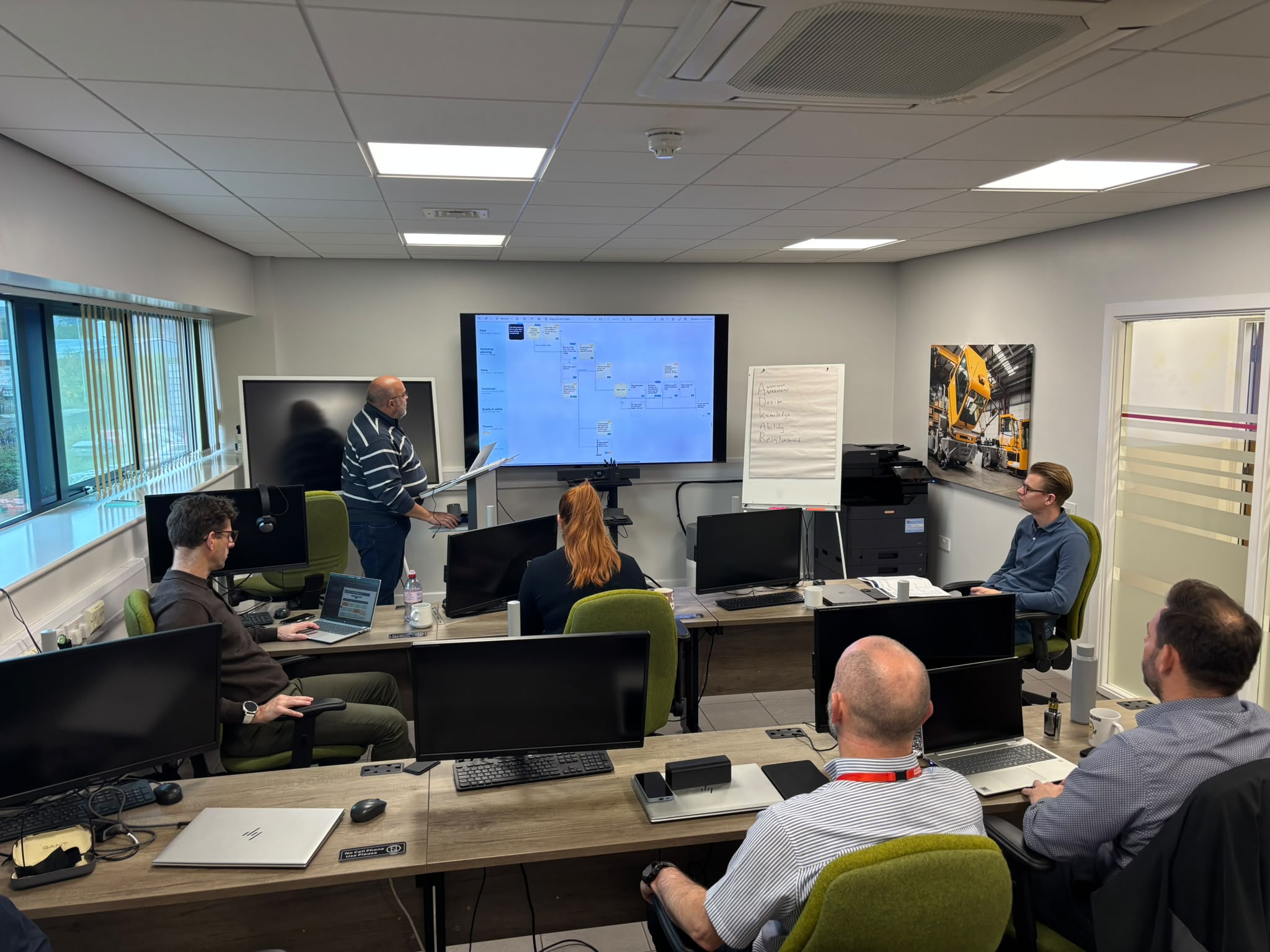
Recently, three workshop days were dedicated entirely to Service. Together with the employees involved, we examined the whole process: from receiving and assessing a service request to planning, carrying out and administratively completing the work.
Technicians need the right information to do a job properly. Maintenance planning, parts availability and workforce scheduling need to align. We also discussed the visibility needed to monitor service performance.
Looking at the process from start to finish makes it clear how a decision in one step affects the next.
Decisions about the work and the system
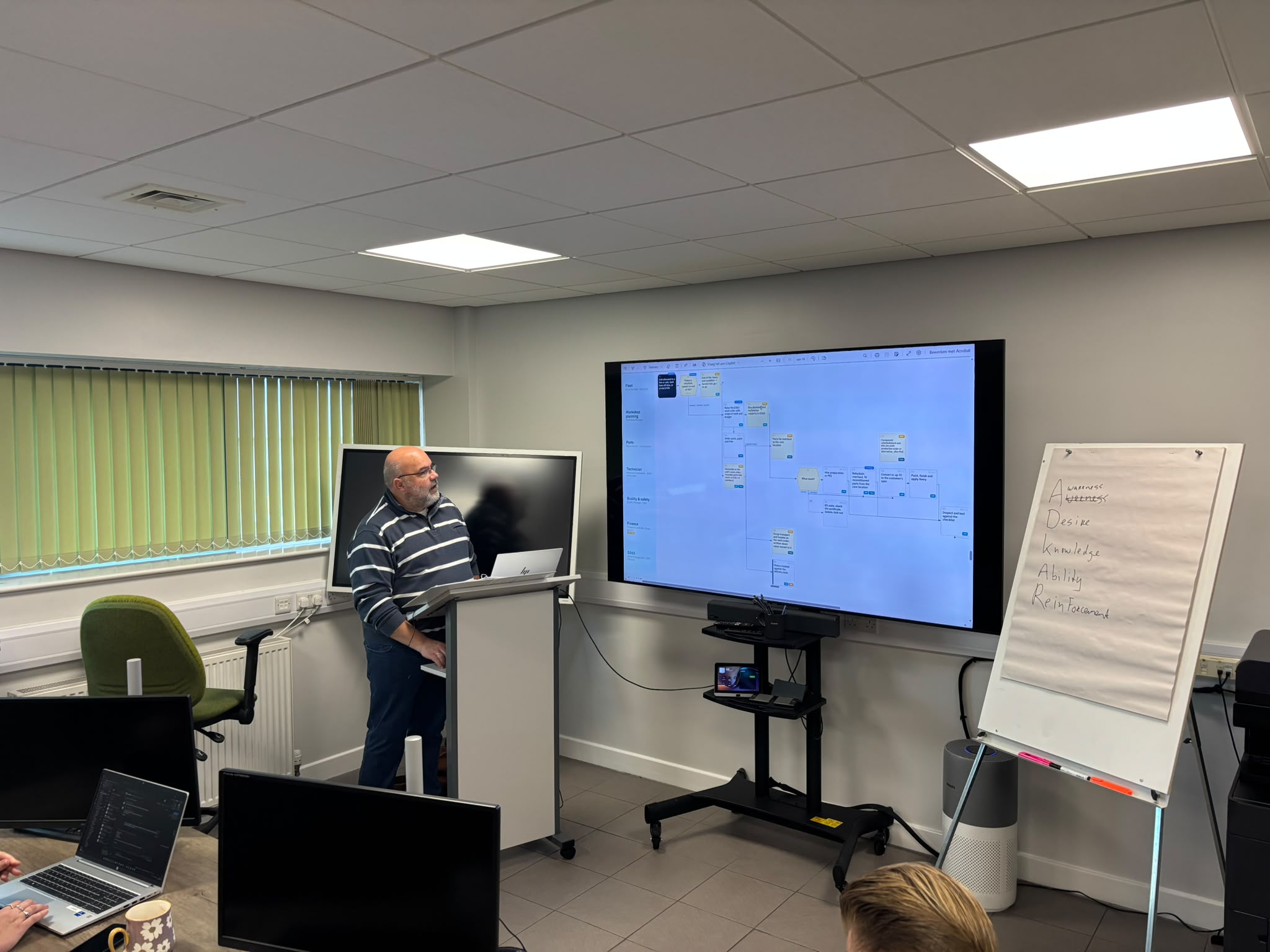
The programme includes the introduction of Microsoft Dynamics 365. The workshops therefore go beyond gathering requests for screens and features. We help the organisation make shared decisions about process design, responsibilities, standardisation and the use of technology.
Employees’ practical knowledge remains the starting point. Which information is needed, and when? Who is responsible for the next step? And how can a shared workflow support the work?
The insights from DTS also provide valuable input for greater process alignment across the Terberg Group.
Change needs to make sense
A new way of working becomes meaningful when the people who will use it understand what is changing and why. Involving them in its design gives their experience and questions a place in the decisions being made.
This is Nohou’s contribution to the programme: connecting knowledge from daily operations with future process design and the use of technology. Together, we are shaping processes that people can put into practice.