Customer story · 5 min read
Working towards global alignment: Nohou in Syngenta’s LIMS implementation
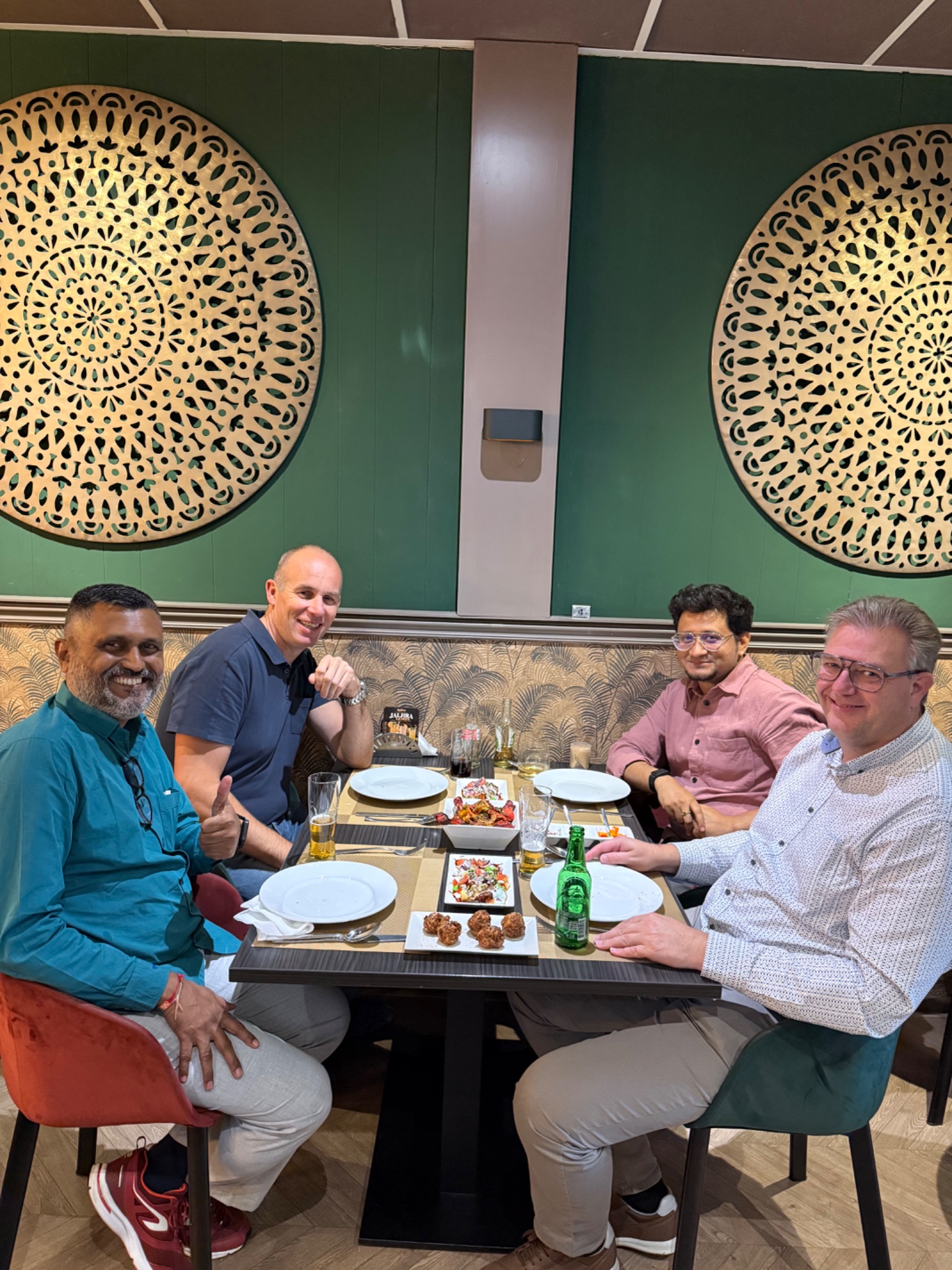
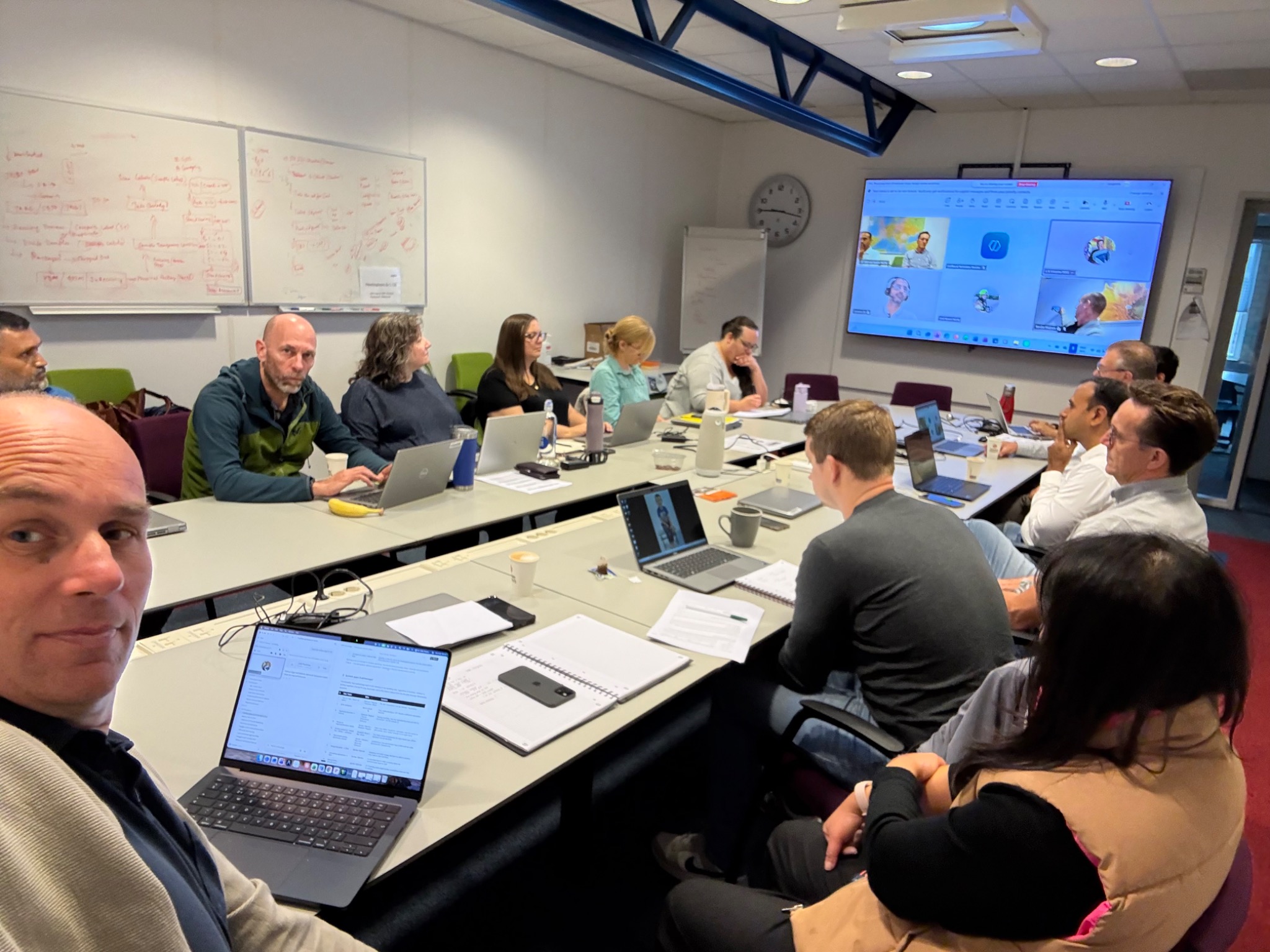
A shared way of working starts with understanding how each laboratory works today. During the week of 5–9 October, colleagues from the United States, India, Switzerland and the Netherlands came together at Syngenta to kick off process harmonisation for Physiology. Nohou supports processes and change within the global LIMS programme.
From sample to released seed lot
A LIMS is a Laboratory Information Management System. It records laboratory work: which sample arrives, which test is carried out, the result and who approves it.
At Syngenta, the system is LabVantage. It exchanges data with SAP so that an approved test result can lead to the release of a seed lot.
Syngenta is implementing the system globally. Laboratories that currently work in their own ways are gradually moving towards a shared approach to recording, testing and approval.
Nohou starts with the process
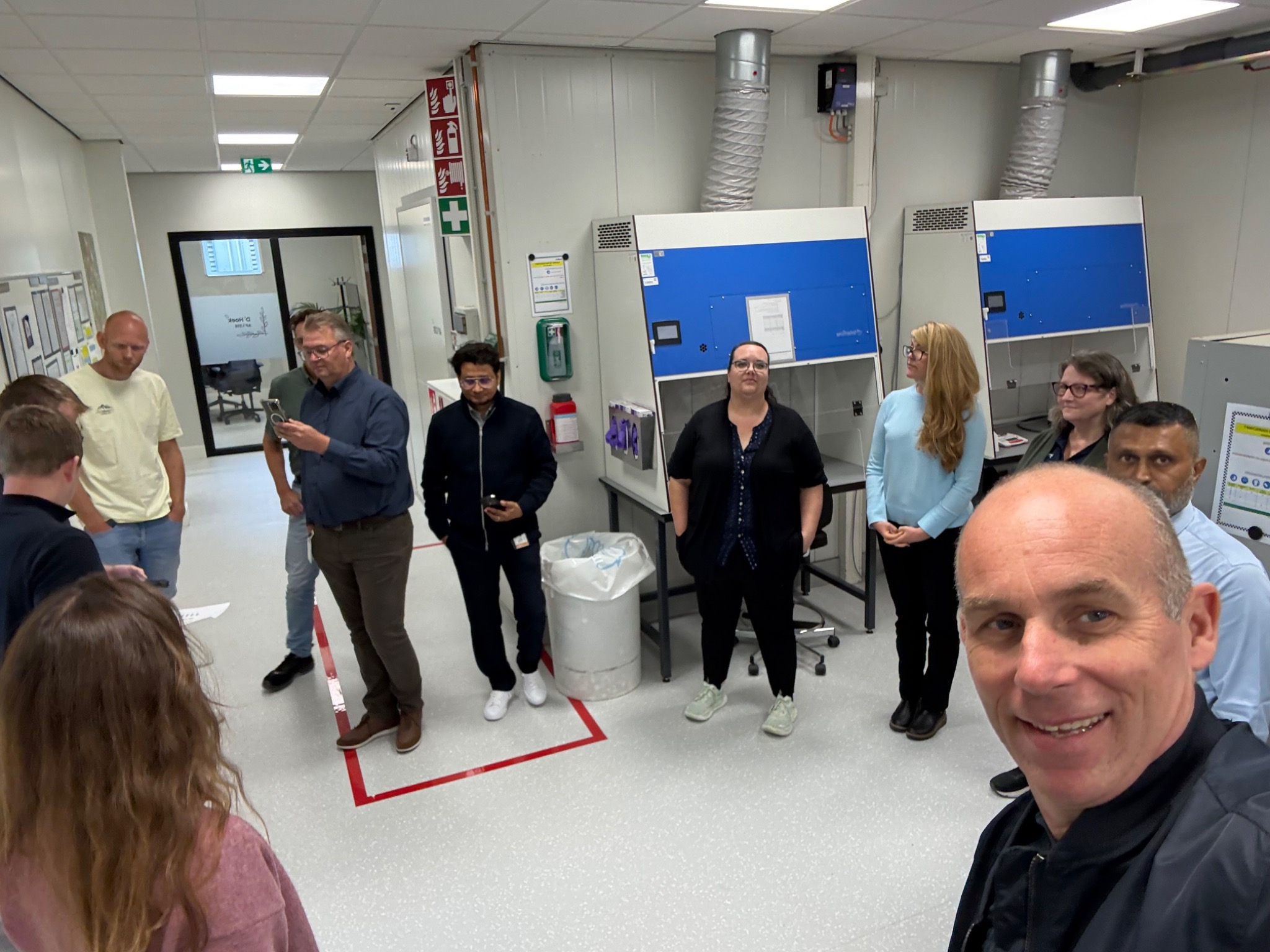
Nohou supports Syngenta in change and process management on the work floor in Enkhuizen, as part of the global implementation team. Implementation partner Infosys builds the system. We map how laboratories work today and support the transition to a shared way of working.
We first examine what actually happens, in each country and team. Which steps does a sample go through? Who records, checks and approves? And why is the workflow arranged that way?
This understanding informs decisions about standardisation and the flexibility required by local legislation.
A new system is also a chance to improve
During an implementation, we focus on where ways of working can be improved. A new system offers the opportunity to review existing steps and harmonise workflows across teams and countries. Those decisions also help when selecting a suitable system.
We then aim to stay as close as possible to the system’s standard functionality. Sometimes this means adapting part of a workflow to what the system already supports. Not every existing habit needs to return as a custom feature.
Together, we discuss which steps are essential, what could be simpler and where a standard workflow fits well. The people doing the work and the laboratory’s requirements remain the starting point.
Four countries around the table
This week marked the start of harmonisation for Physiology: laboratory testing of germination and seed quality. In Nampa in the United States, Enkhuizen in the Netherlands and the Indian locations Nutankal and Rannebanur, this work currently follows three different approaches, with separate systems, steps and working rhythms.
Colleagues from the United States, India, Switzerland and the Netherlands came together to understand those differences first. What does each lab do? In which system? And why?
Checking this understanding together creates a shared starting point for defining the common workflow. The harmonisation programme is expected to take around nine months.
Building on Seed Health
The Seed Health laboratory has already followed this route. Its system is now live in the United States and India. At the time of this kick-off, the Netherlands is next in line.
Physiology is the next laboratory to take this step. The aim is to standardise core processes and, as far as possible, limit differences required by local legislation to the test method. A local requirement should not automatically lead to an entirely different process.
Knowledge that travels beyond one team
The goal is for laboratories across different continents to record, test and report in a common way. This makes workflows easier to compare and helps knowledge move between teams and countries.
This is where Nohou contributes: improving processes, harmonising workflows and supporting people through change. This brings everyday work and the system’s standard functionality together. The shared workflow must be understandable and practical for the people who use it every day.