Customer story · 3 min read

Laying the foundations for FlowBOS together with Bos Machines
How do you make sure a new system fits everyday work? By examining processes together, discussing decisions and learning step by step. Over the past few months, we at Nohou worked with Teus Jan de Jong and his colleagues at Bos Machines to lay the foundations for FlowBOS. We completed this stage in early September. A moment to raise a glass together.
Starting with the work
FlowBOS is a bespoke system that Bos Machines aims to use to further automate its existing workflows. The starting point is that the system should fit the people who use it and the information they need.
Jan Kees Hage of Nohou examined how the process worked within Bos Machines and where it could be improved. Which steps are necessary? What could be simpler? And where could automation make the work easier?
Based on this, Jan Kees wrote the user stories: concrete descriptions of what users need to be able to do in their work. These formed the starting point for building FlowBOS.
Working together every week
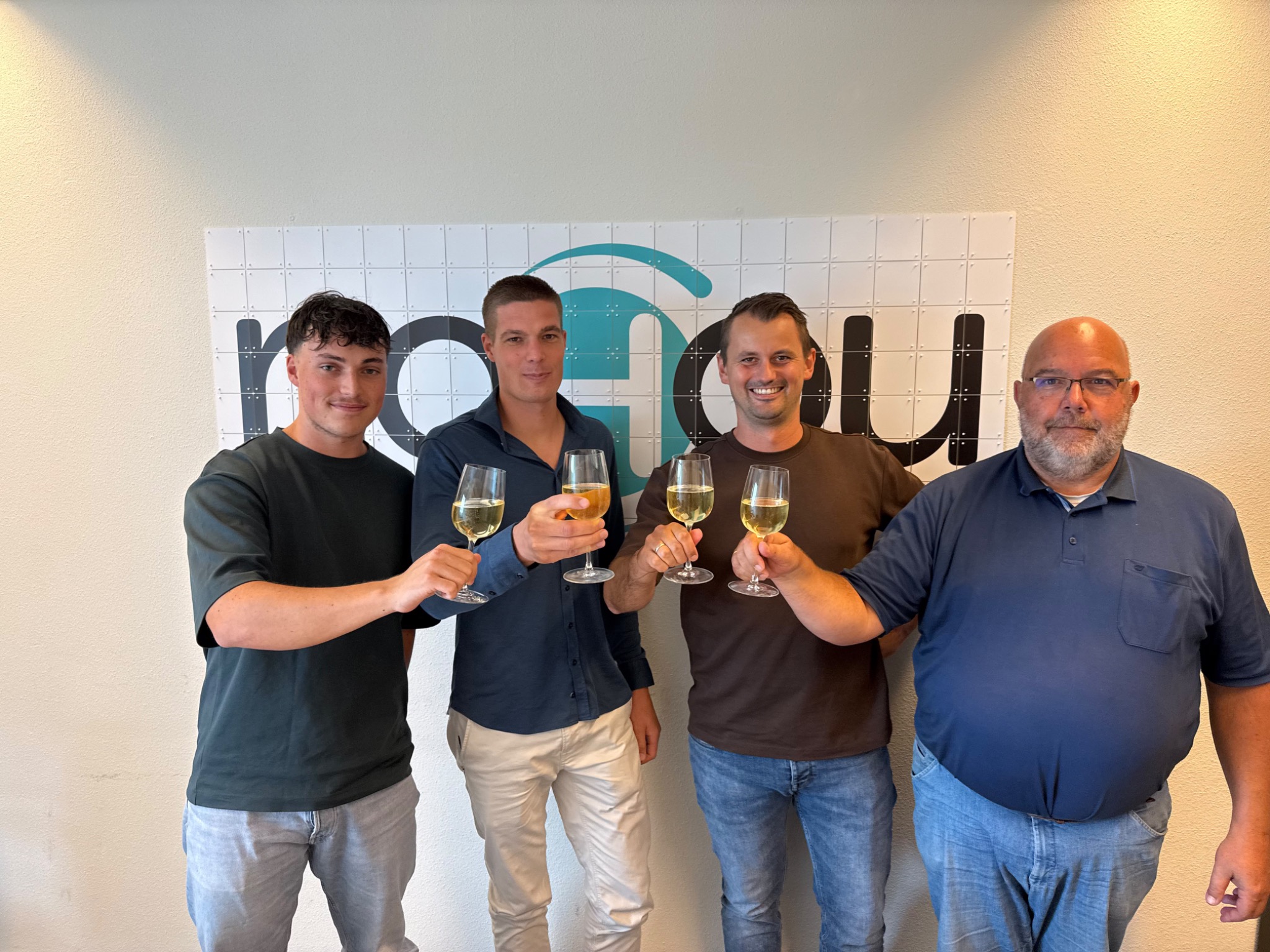
William Kraaijeveld of Nohou guided the Bos Machines team in a shared working session every week. Using AI tools, they worked on the system, tried out possibilities and discussed the reasons behind particular decisions.
The weekly sessions created room to share knowledge and examine existing ways of working. Developing FlowBOS and understanding the processes went hand in hand.
Jan Kees also remained involved as a reviewer during development. He reviewed the work against the process and the user stories.
Every screen comes with decisions
We built FlowBOS in the Azure environment. A working screen is a start. For a system you want to use every day, a lot also needs to be arranged behind the scenes.
That includes security, user permissions and the structure of the system. Who can view or change which information? How do automations work together? And how do you keep the whole system manageable?
The connection to the existing ERP system also needs attention. Which data is authoritative? How do you keep information consistent across both systems? And what happens when someone makes a change?
These questions show why developing your own system involves more than putting something together quickly.
People determine whether it works
What FlowBOS means for the people who will use it is equally important.
Existing ways of working do not change overnight. Together, you need to understand what works well, what could improve and how to put a change into practice. A new system should support the work. Otherwise, it risks adding extra tasks.
By paying attention to this every week, we worked on both the foundations for FlowBOS and the ways of working that go with it.
A foundation for the next stage
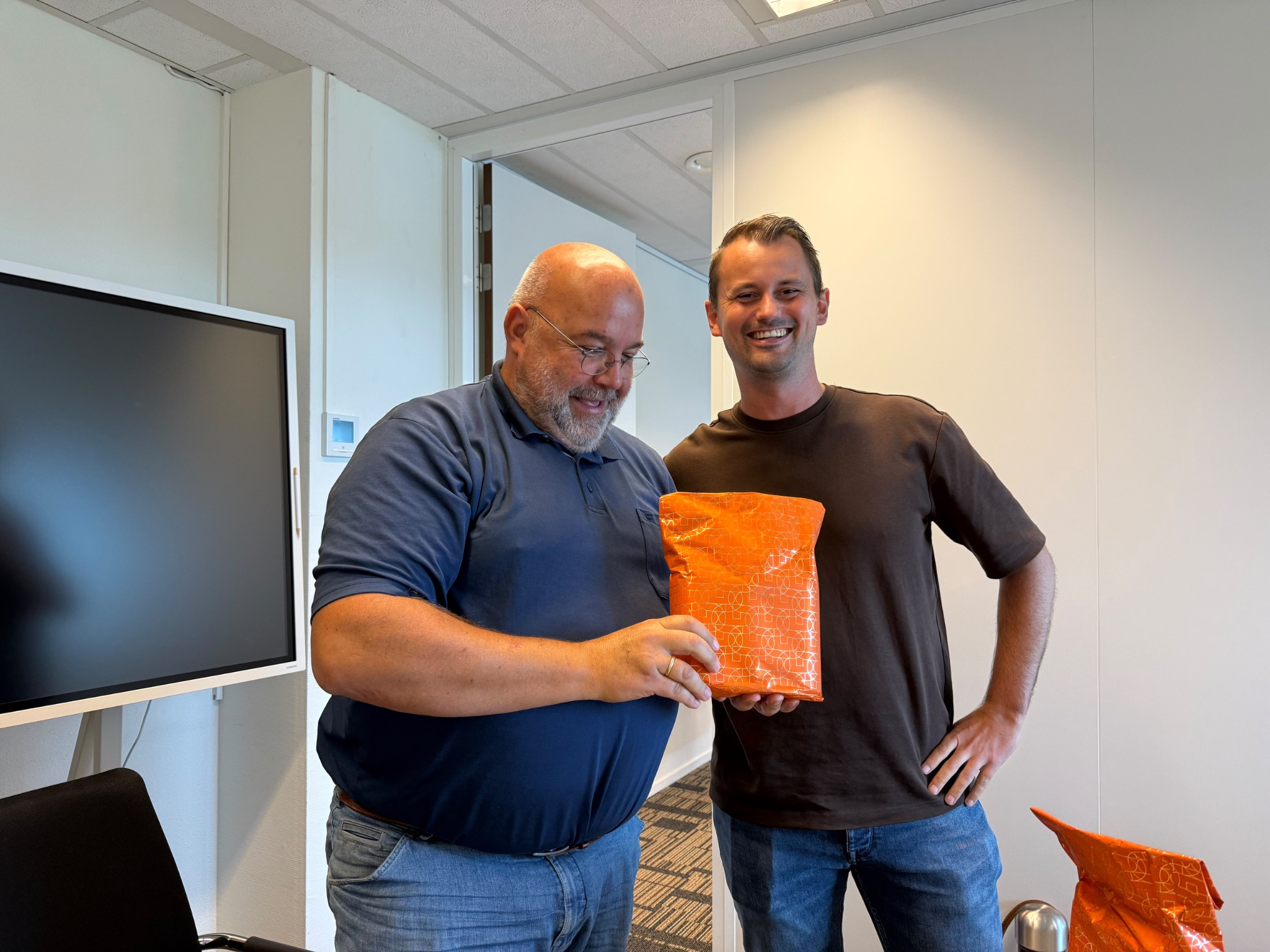
We completed this stage together in early September. The foundations for FlowBOS are in place, alongside shared knowledge of the system and the processes it should support.
We thought that deserved a glass of champagne.
Teus Jan and colleagues, thank you for your trust, commitment and the enjoyable collaboration. We look forward to the next stage of FlowBOS.